If your “critical water” is failing ST108 tests, the problem is often ions.
That can show up as high conductivity, spots, residue, and inconsistent results. EDI is a polishing step that helps you get to higher purity water—without chemical regeneration.
Pretreatment is the first step that protects everything downstream.
It helps your ST108 water system run better and last longer.
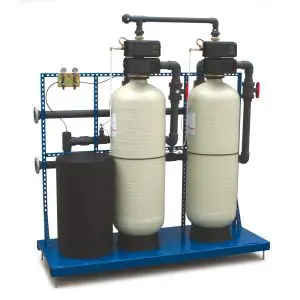
An electro deionizer (EDI) removes dissolved ions (salts/minerals) from water. It uses ion exchange + electricity to continuously remove ions—so it does not need the chemical regeneration that traditional DI tanks use.
Where is EDI used in an ST108 system?
EDI is most often used for Critical Water
ST108 describes Critical Water as water that usually needs a multi-step treatment process (often including RO and/or DI, plus storage/distribution, and sometimes final treatment). This water is used for final rinsing and can also be used for steam generation.

Most common placement:
Pretreatment → RO → EDI → tank/storage → distribution loop
RO does the big removal job. EDI “polishes” the RO water to help reach very low ion levels (like low conductivity and low silica).
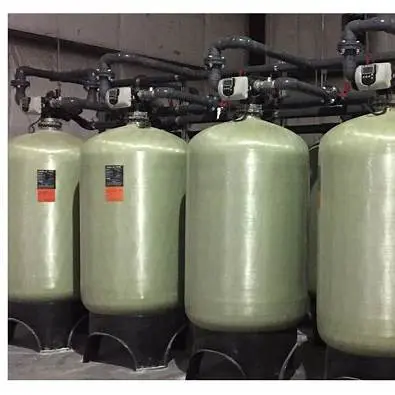
Hard water contains calcium and magnesium. This can create scale and reduce performance. A softener reduces hardness so scale is less likely to form.
EDI mainly targets ionic contaminants. ST108 also includes other water quality needs (like microbiological control and organics), so EDI is usually one part of a complete system.
Sometimes yes—often for Critical Water, but testing decides
Many ST108 systems use EDI to help meet Critical Water limits—especially when RO alone can’t consistently hit your targets.
But you shouldn’t guess.
The right answer comes from testing at the right sampling points. Testing shows whether you truly need EDI or a different fix.
Our formulations meet NSF safety standards to protect your people and your equipment.
Backed by decades of industry experience and a proven track record of results.
Serving facilities across the midwest with responsive, local water treatment support.
Book a 30-minute conversation directly. We'll discuss your building water safety and Legionella risk situation and whether working together makes sense.
Book a 30-minute call →Take a look at our Legionella treatment services first. See where you stand across your water safety plan, risk controls, and regulatory compliance posture — then decide if a conversation makes sense.
Find out what a buyer would see →Browse everything we do in building water safety and Legionella management — chemicals, programs, and compliance support — at your own pace, no conversation required.
Explore our water safety solutions →We work with advisors who encounter water safety and Legionella risk gaps in their client businesses. If you're looking for a referral partner for pre-sale readiness work, let's talk.
Learn about our partner program →