ChemREADY

The law ties programs to sampling/testing, including testing for Legionella pneumophila, and expects sampling/testing to match DOH rules and best practices.
Ohio Administrative Code 3701-22-07 applies to hospitals.
Ohio Administrative Code 3701-16-12 applies to residential care facilities.
A Water Management Plan is a living document that defines your building-specific risks, control limits, monitoring routines, and exactly what to do when limits are out of range. We help you build it correctly, then help you run it.
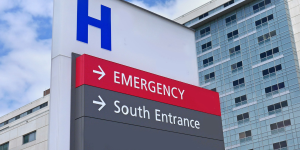
Hospitals in Ohio must maintain a Water Management Program that identifies hazardous conditions and controls the risk of waterborne pathogens, including Legionella. The rule requires validation testing using a representative set of samples from potable water loops and other risk-associated systems such as cooling towers, therapy spas, and decorative fountains. Hospitals must follow procedures for investigations, environmental assessments, and coordination steps outlined in the rule.If you’re unsure whether your building is covered, a quick system review is the safest starting point.

Residential care and assisted living facilities must establish and maintain a working Water Management Program to identify hazardous water conditions and control the risk of waterborne pathogens. Ohio points these facilities to CDC and infection control guidance for building and operating the program. These facilities must have a real, functioning Legionella water management program—not just notes or intentions.

A Water Management Program (WMP) is a written plan your team can follow. A strong WMP defines responsibilities, lists all included systems, and identifies where Legionella may grow—such as warm areas, low-flow zones, dead legs, or scale and biofilm locations. It also outlines control measures (temperature, disinfectants, flushing, cleaning), monitoring steps and frequency, corrective actions when readings are out of range, and how to document compliance.

Ohio’s rule for Residential Care Facilities (OAC 3701-16-12) is effective July 12, 2024.
The rule for Hospitals (OAC 3701-22-07) is effective September 14, 2024.
Facilities must have their Water Management Programs implemented according to these timelines.
If you manage a hospital, residential care, or assisted living facility in Ohio:
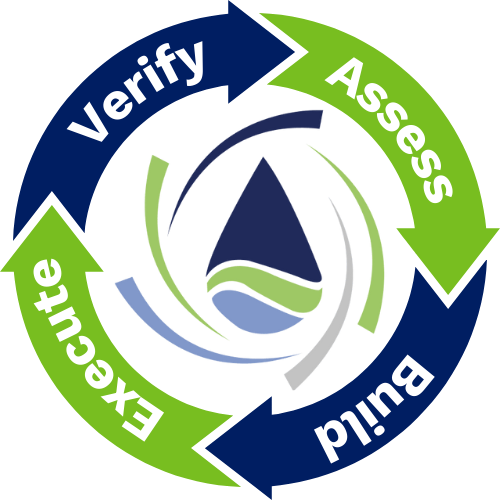
Find the real risk points in your building (hot water loop issues, low-use wings, aerosol sources).
Turn it into a clear routine your team can follow.
Choose sample points that represent the system and track results over time (so you can spot drift early).
So when leadership, surveyors, or health officials ask “show me,” you can.

Our formulations meet NSF safety standards to protect your people and your equipment.

Backed by decades of industry experience and a proven track record of results.

Serving facilities across the midwest with responsive, local water treatment support.
Book a 30-minute conversation directly. We'll discuss your building water safety and Legionella risk situation and whether working together makes sense.
Book a 30-minute call →Take a look at our Legionella treatment services first. See where you stand across your water safety plan, risk controls, and regulatory compliance posture — then decide if a conversation makes sense.
Find out what a buyer would see →Browse everything we do in building water safety and Legionella management — chemicals, programs, and compliance support — at your own pace, no conversation required.
Explore our water safety solutions →We work with advisors who encounter water safety and Legionella risk gaps in their client businesses. If you're looking for a referral partner for pre-sale readiness work, let's talk.
Learn about our partner program →