Reading Time | 10 Minutes
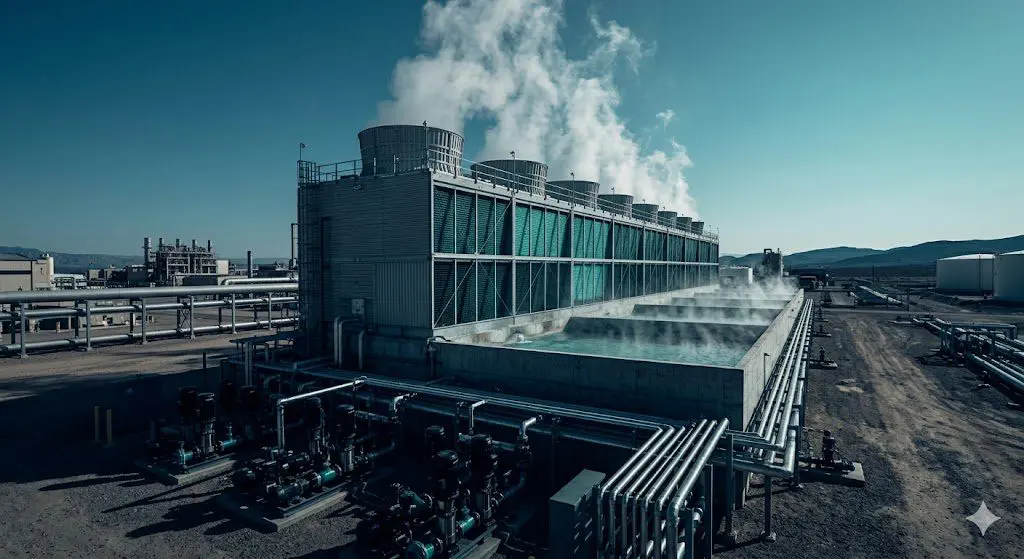
The startup is done. The tower is running, the chiller is online — and most facility managers treat that as the end of the spring water treatment task list.
It isn’t. Summer is when cooling tower water chemistry drifts fastest, when Legionella risk peaks, and when inattention turns into energy bills and equipment repair costs. The facilities that avoid those outcomes have someone watching the numbers between site visits — not just during them.
If you don't know your current cycles of concentration, a free on-site water analysis tells you immediately — along with everything else drifting in your system right now.
Find Out Where My System Stands →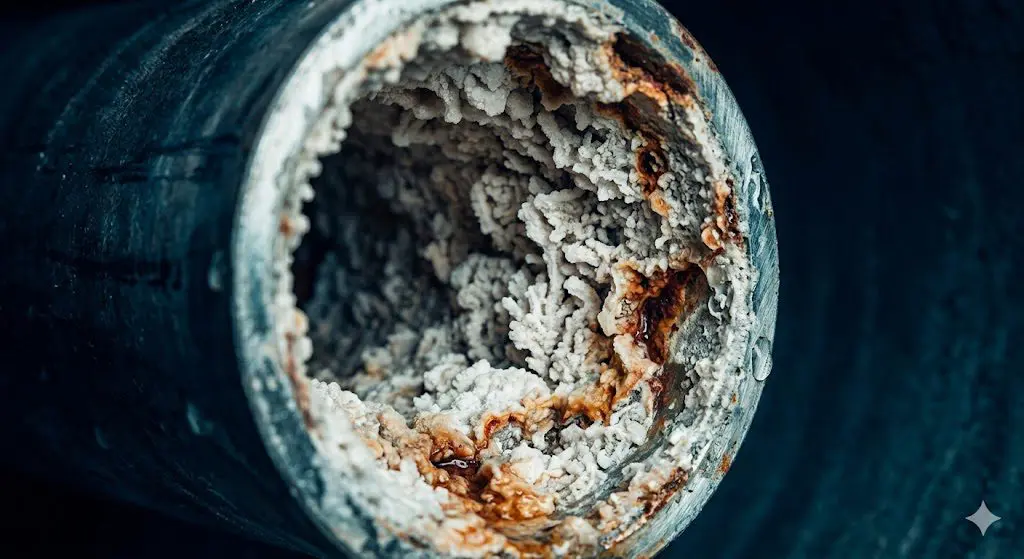
Cycles of concentration (CoC) is the ratio of dissolved solids in the recirculating tower water to dissolved solids in the makeup water — and it is the single most important operating parameter in cooling tower chemistry management.
As a cooling tower evaporates water to reject heat, minerals like calcium, magnesium, silica, and iron stay behind and accumulate. CoC measures how concentrated those minerals have become relative to what came in. A CoC of 4 means the mineral content in your recirculating water is four times higher than in your makeup supply.
In summer, with higher ambient temperatures driving increased evaporation rates, CoC climbs faster than most programs account for. That’s when chemistry problems begin.
Scale forms when CoC runs too high — when mineral concentrations in the recirculating water exceed the saturation point for compounds like calcium carbonate, calcium phosphate, or silica. Once saturated, those minerals precipitate out of solution and deposit on heat transfer surfaces, fill media, and distribution nozzles.
Even a thin layer of scale on condenser tubes has measurable consequences. According to U.S. Department of Energy data, scale buildup of just 1/32 inch increases energy consumption by 10–15%. A 1/4-inch deposit can increase energy use by as much as 40%. In a facility running a 500-ton chiller system, that’s not a minor variance — it’s a recoverable operating cost sitting inside your equipment.
When CoC runs too low, you’re over-blowing down — wasting water and chemicals unnecessarily. Both conditions are preventable with regular monitoring and program adjustment.
Three things happen simultaneously as temperatures climb:
A biocide schedule adequate in April may not hold up in July. Biocides work by maintaining active residuals across the circulating system. When temperatures climb, evaporation rates shift, and system loading increases, residual levels need to be recalculated and dosing adjusted. Logging dose volumes is not the same as confirming residual.
The same temperature range that stresses your cooling equipment is ideal for microbial amplification in tower fill and basin sediment — which is why summer is peak season for Legionella incidents associated with cooling systems.
| Parameter | Target Range | Test Frequency | Risk When Out of Range |
|---|---|---|---|
| Conductivity / TDS | Per program CoC target | Weekly minimum | High = scale/corrosion; Low = excess blowdown waste |
| pH | 7.0 – 8.5 | Weekly minimum | Low = corrosion; High = scale deposition |
| Biocide residual | Per program spec | Per treatment schedule | Low = biological growth, Legionella risk |
| Corrosion inhibitor | Per program spec | Weekly minimum | Low = accelerated metal corrosion |
| Turbidity / sediment | Visual + analytical | Weekly / after rain | High = biological harborage, fouling |
| Langelier Saturation Index | 0 to +0.5 | Monthly | Negative = corrosive; High positive = scale-forming |
Testing frequency above represents a minimum standard. A managed program monitors continuously — or at minimum tests every service visit, compares against control limits, and adjusts chemistry when parameters drift.
ChemREADY will test all key parameters on-site — free. You'll get a plain-English report on what we find and exactly where your program needs adjustment heading into peak season.
Get My Free Water Analysis →A chemical drop-off is not a water treatment program. Without someone reviewing parameters on a regular cadence and adjusting the program when conditions shift, you’re reacting to problems after they show up in energy bills or equipment repairs — not before.
What we typically see when we start working with a facility that has been managing its own tower program: CoC is running well above the target range because blowdown timing hasn’t been adjusted for summer conditions, biocide residuals are being inferred from dose records rather than measured analytically, and the last full parameter panel was done three months ago.
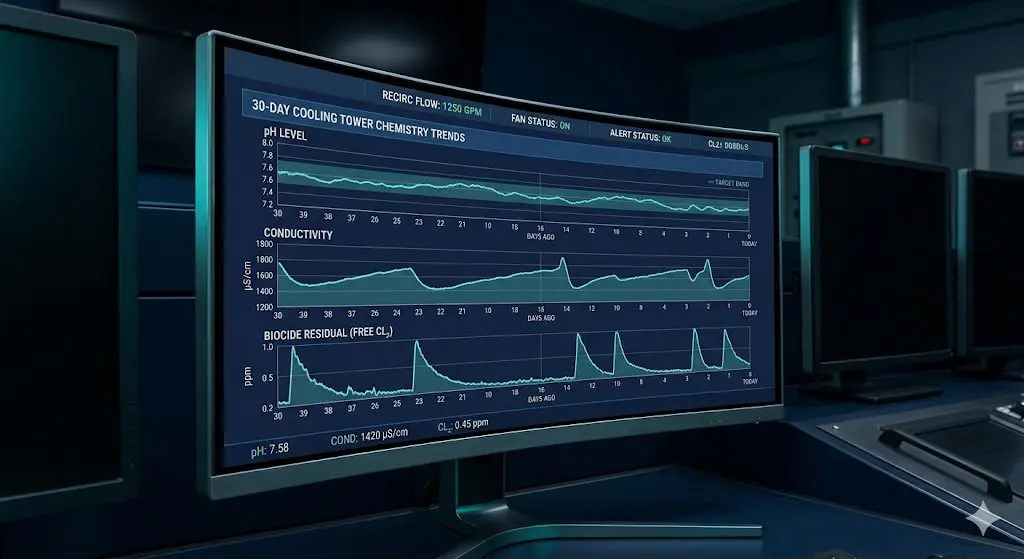
Digital remote monitoring makes continuous visibility possible between visits — conductivity, pH, and biocide residuals tracked in real time, with alerts when parameters drift outside control limits.
Scale that builds over three months of summer doesn’t come off easily. A Legionella event associated with a cooling tower doesn’t resolve without significant remediation cost and operational disruption. Most facilities dealing with both problems in the same season had warning signs that went unaddressed.
The ones that avoid those outcomes have someone tracking system performance and adjusting chemistry before parameters drift into problem territory.
Digital remote monitoring makes continuous visibility possible between visits — conductivity, pH, and biocide residuals tracked in real time, with alerts when parameters drift outside control limits.
Scale that builds over three months of summer doesn’t come off easily. A Legionella event associated with a cooling tower doesn’t resolve without significant remediation cost and operational disruption. Most facilities dealing with both problems in the same season had warning signs that went unaddressed.
The ones that avoid those outcomes have someone tracking system performance and adjusting chemistry before parameters drift into problem territory.
ChemREADY offers a free on-site water analysis — we'll walk your system, test your water, and give you a plain-English report on what we find. No obligation. Just answers.
Schedule My Free Water Analysis →Book a 30-minute conversation directly. We'll discuss your water treatment situation and whether working together makes sense.
Book a 30-minute call →Take a look at our water treatment services first. See where you stand across chemical programs, system performance, and municipal compliance — then decide if a conversation makes sense.
Find out what a buyer would see →Browse everything we do in water treatment — chemicals, equipment, and services — at your own pace, no conversation required.
Explore our water treatment solutions →We work with advisors who encounter infrastructure gaps in municipal water and drinking water client businesses. If you're looking for a referral partner for pre-sale readiness work, let's talk.
Learn about our partner program →