Reading Time | 10 Minutes
You’re hitting your biocide dosing targets. Conductivity is in range. pH is where it should be.
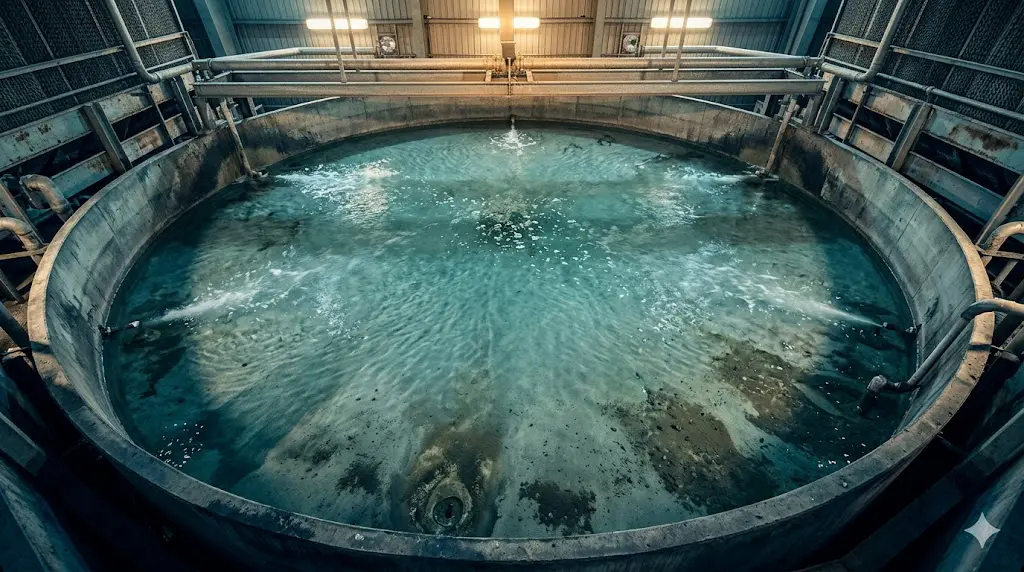
And yet the basin looks like the bottom of a fish tank, and your last Legionella culture came back elevated.
Chemistry parameters don’t tell the whole story. Suspended solids do.
Circulating cooling water picks up airborne particulates through the tower fill, corrosion products from system metallurgy, scale fragments, and biological debris from dead microorganisms. Without mechanical filtration, all of that accumulates in the basin.
Total suspended solids — TSS — create problems that dissolved chemistry can’t fix.
ChemREADY's free on-site water analysis covers more than dissolved chemistry — we look at the physical state of your system and tell you what the numbers aren't showing.
Talk to a Water Treatment Specialist →
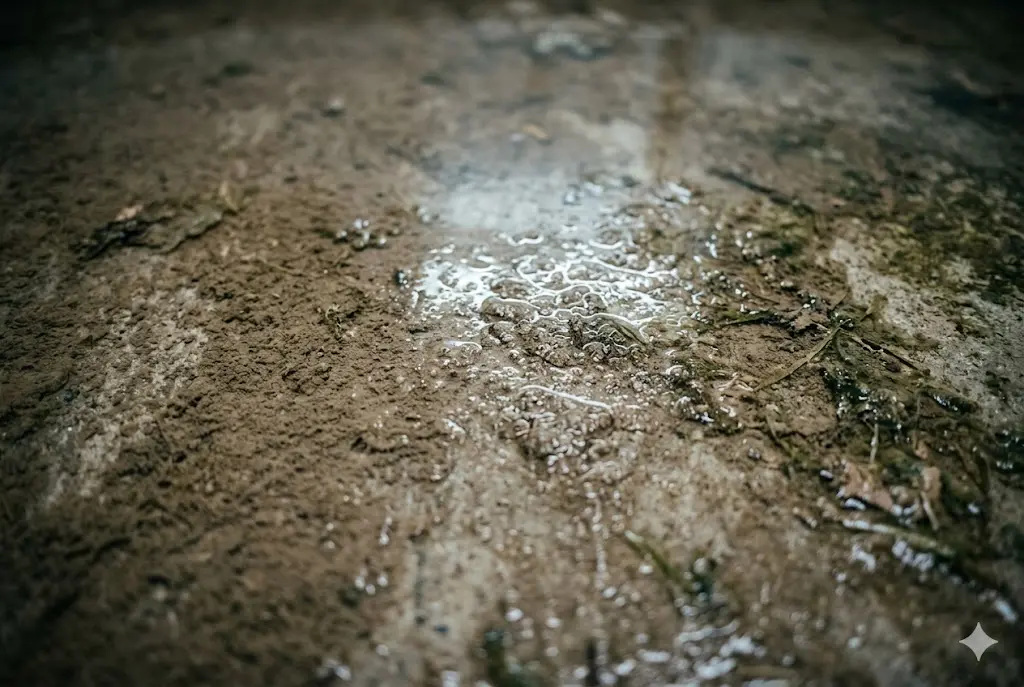
The most direct consequence is biological harborage. Legionella pneumophila and other waterborne pathogens colonize surfaces, not open water. Settled sediment in a cooling tower basin provides a protected matrix where bacteria survive biocide exposure that would kill them in the water column. A biocide program calibrated around bulk water residuals isn’t designed to penetrate biofilm forming underneath a sediment layer.
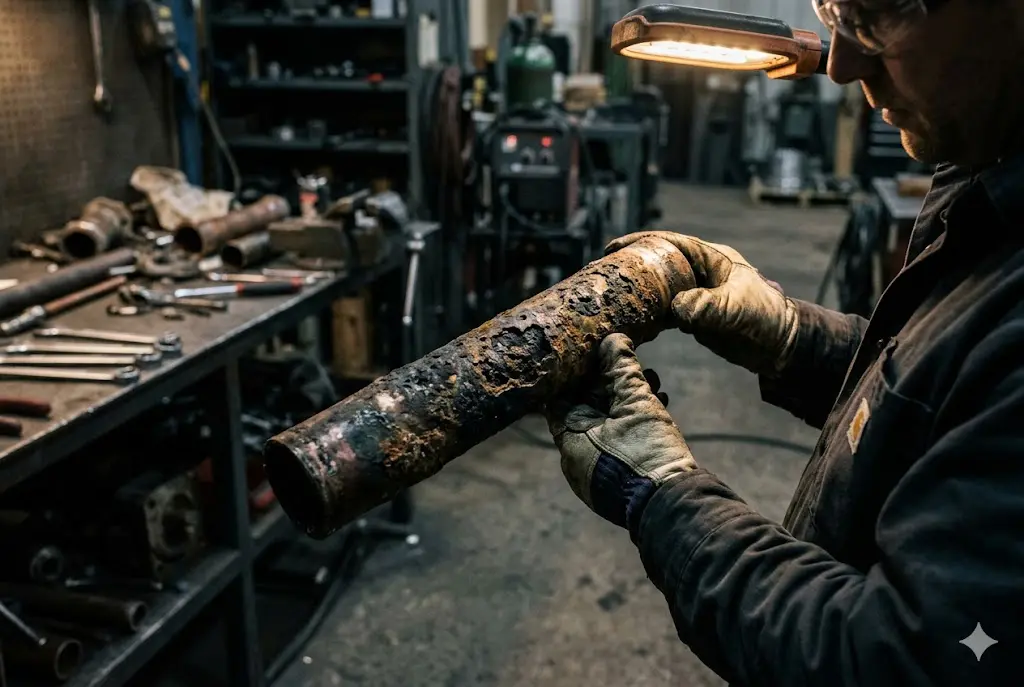
Suspended solids also drive under-deposit corrosion — a form of microbiologically influenced corrosion (MIC) where metal surfaces beneath deposits become anoxic and corrode preferentially. This shows up on heat exchanger tubes, basin floors, and pipe walls, often in locations routine inspection doesn’t reach.
There’s also a chemistry efficiency problem. Suspended particles absorb biocides and inhibitors, pulling active chemistry out of solution before it reaches the surfaces it’s supposed to protect. A system with elevated TSS requires more chemical input to maintain the same effective residual — and even then, that residual may not be reaching where the risk is highest.
That's almost always a TSS problem, not a chemistry failure. ChemREADY can review your water treatment program and basin condition at no cost — and tell you exactly what the biocide isn't reaching.
Request a Free Program Review →Side stream filtration continuously draws a fraction of circulating water — typically 10% or more of total system flow — through filtration media and returns clean water to the basin. Done correctly, it keeps TSS low enough that the chemical program can work as designed.
High-efficiency sand filtration removes particles down to sub-micron sizes. Systems that add side stream filtration typically see measurable reductions in basin sediment within days, and biological culture results improve accordingly when the program is otherwise solid. The filter doesn’t replace chemistry — it removes the particulate load that was undermining it.
Sizing matters. A filter pulling too small a fraction of system flow won’t turn over basin volume fast enough to keep pace with the particulate load coming in through the fill. This is worth verifying if you have a filter installed but still see elevated TSS.
A cooling tower water treatment program that addresses dissolved chemistry without addressing suspended solids is an incomplete program. This is something our technicians catch regularly during routine site visits — a system that looks fine on paper, but where basin sediment is undermining the analytical results in ways that aren’t visible until you pull a culture or open a heat exchanger.
In summer, the problem compounds. Higher evaporation rates concentrate the water faster, meaning faster accumulation of both dissolved and suspended material. Systems without filtration are carrying their highest particulate loads through the peak Legionella risk period of the year.
If your biocide program is doing everything right and you’re still seeing biological control problems, look at the physical state of your basin before adjusting your chemistry. The answer is usually there.
ChemREADY offers a free on-site water analysis — we'll walk your system, test your water, and give you a plain-English report on what we find. No obligation.
Schedule Your Free Water Analysis →Or call us: 800-229-6801
Book a 30-minute conversation directly. We'll discuss your water treatment situation and whether working together makes sense.
Book a 30-minute call →Take a look at our water treatment services first. See where you stand across chemical programs, system performance, and municipal compliance — then decide if a conversation makes sense.
Find out what a buyer would see →Browse everything we do in water treatment — chemicals, equipment, and services — at your own pace, no conversation required.
Explore our water treatment solutions →We work with advisors who encounter infrastructure gaps in municipal water and drinking water client businesses. If you're looking for a referral partner for pre-sale readiness work, let's talk.
Learn about our partner program →