ChemREADY

Reading Time | 5 Minutes
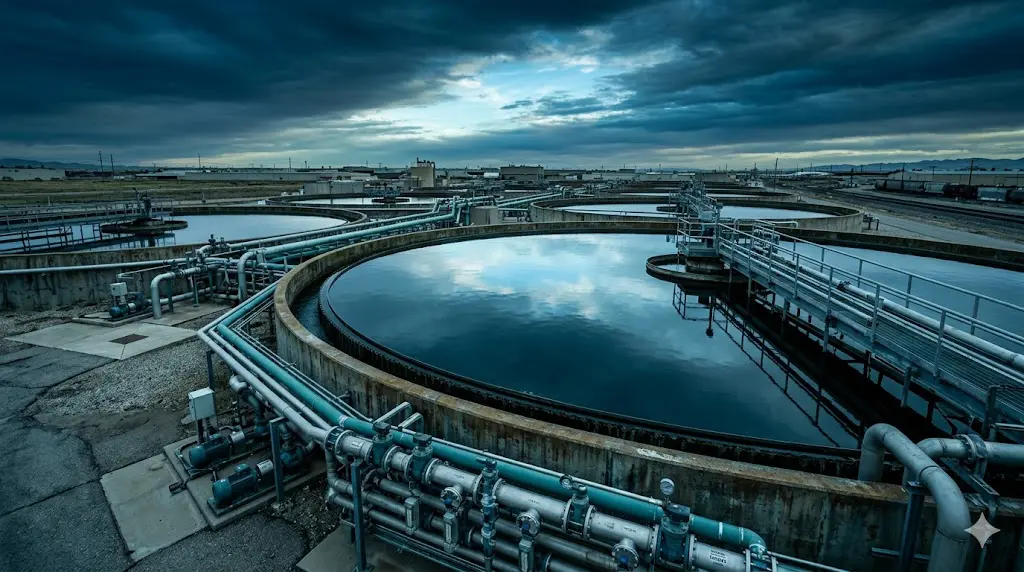
Fats, oils, and grease (FOG) are one of the most consistently cited causes of industrial pretreatment violations. Not because facilities don’t know FOG is a problem — most do. The issue is how they’re managing it.
Most industrial facilities that generate FOG have a grease interceptor. Most of those interceptors are on a calendar-based pump-out schedule. And most EHS directors at those facilities would have difficulty answering a pretreatment inspector’s questions about their FOG load, their monitoring records, or their corrective action history.
An interceptor is not a FOG compliance program. This post explains the difference — and what a program that holds up under inspection actually requires.
FOG in industrial wastewater refers to fats, oils, and grease — collectively measured as total oil and grease (TOG) or hexane extractable material (HEM) — that enter the wastewater stream from industrial processing, equipment cleaning, and raw material handling. In the municipal sewer system, FOG solidifies as wastewater cools, accumulates on pipe walls, and causes infrastructure blockages that force the publicly owned treatment works (POTW) to absorb significant maintenance costs.
Industrial sources of FOG include:
The POTW receives flow from multiple industrial users. When FOG loads exceed the system’s capacity, the costs — collection system maintenance, treatment disruption, permit compliance violations — get distributed back to the contributing industrial users through surcharges, local limits enforcement, and permit conditions. Controlling it at the source is the point of a fats, oils & grease control program.
You can't build a compliance program around data you don't have. ChemREADY's free wastewater sample test establishes your baseline.
Request Your Free Wastewater Sample Test →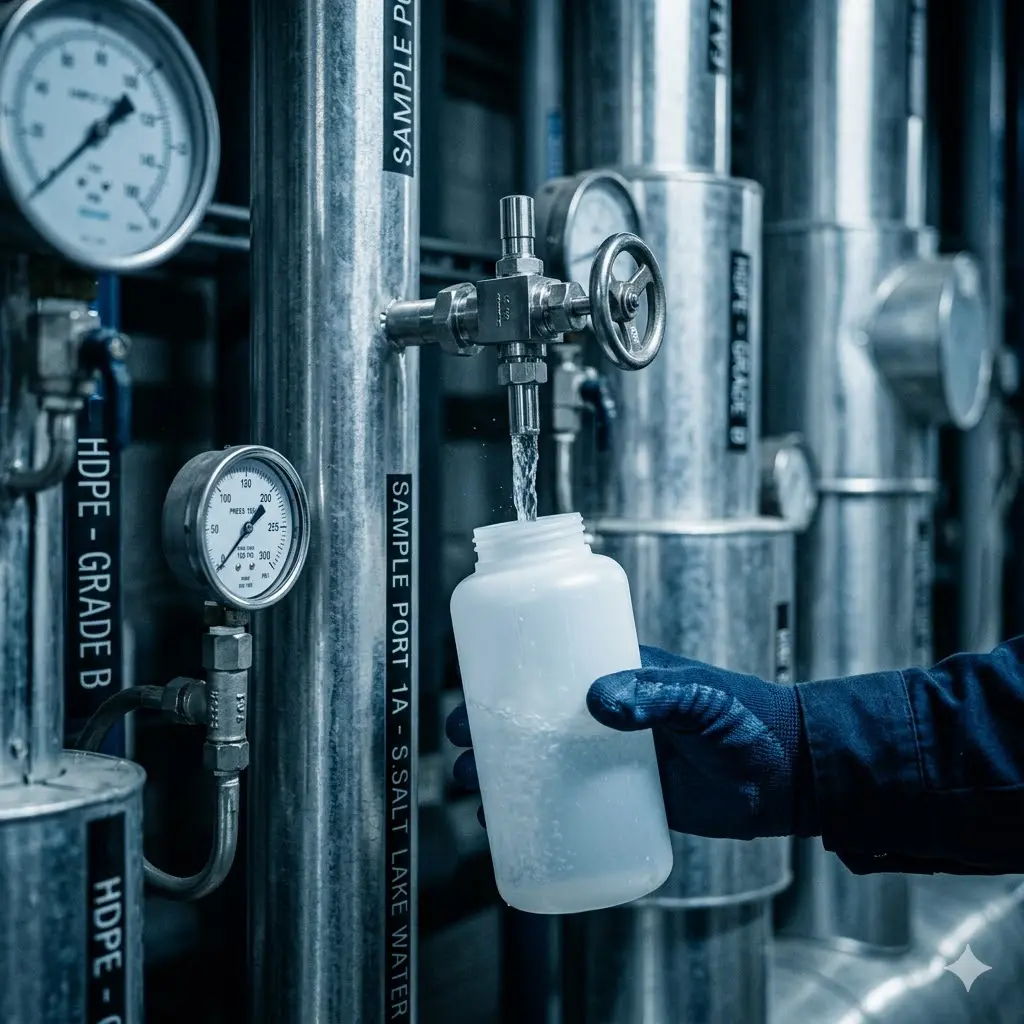
FOG limits in industrial pretreatment permits vary by POTW, but most local programs set limits in a consistent range:
| Discharge Type | Typical TOG/HEM Limit | Notes | Common Sources |
|---|---|---|---|
| Direct NPDES discharge | 10–15 mg/L HEM | Federal effluent guidelines vary by industry category | Refineries, chemical plants, food processors |
| POTW pretreatment (SIU) | 100–200 mg/L TOG | Local limit set by POTW; varies significantly | Manufacturing, food processing, vehicle maintenance |
| Categorical pretreatment | Per EPA category standard | Overrides local limit if more stringent | Electroplating, metal finishing, petroleum refining |
| Surcharge threshold | 50–100 mg/L (common) | Above threshold = surcharge per 1,000 gallons | Any significant industrial user |
| Violation trigger | Above permit limit in grab sample | Repeat = escalating enforcement | Any facility with active NPDES or pretreatment permit |
| Documentation required | Monthly/quarterly self-monitoring | DMR submission; records retained 3 years minimum | All significant industrial users |
Note: The limits above are general ranges. Your facility’s specific limits are in your pretreatment permit or local sewer use ordinance. If you haven’t read your permit recently, the FOG section is a good place to start.
When a pretreatment inspector walks your facility with FOG compliance as a focus area, the inspection follows a predictable sequence. The questions are specific, and the documentation requirements are clear.
Here is the inspection checklist inspectors typically work through:
Facilities with answers to all six questions — backed by records — have a defensible compliance position. Facilities with an interceptor and a pump-out receipt do not.
This is one of the most consistent gaps we find when we start working with a facility on pretreatment compliance: the interceptor exists and the pump-out is on the calendar, but the documentation program that would demonstrate active management hasn’t been built. The interceptor is a physical control. Documentation is what converts it into a compliance program. The same documentation gap shows up with phosphorus discharge limits and other monitored constituents. For the upstream picture, our overview of how industrial wastewater pretreatment works covers where FOG fits in the treatment train.
A real FOG program is more than an interceptor and a pump-out schedule. See how source-level fats, oils & grease control turns a physical interceptor into a defensible compliance position.
Explore FOG Control →A FOG compliance program that withstands inspection has four components. Most facilities only have one — the interceptor.
Baseline characterization. Regular sampling of your discharge before and after the interceptor establishes what your FOG load actually is. This is the starting point for everything else — you cannot size a program, set a pump-out schedule, or defend a compliance record without baseline data. ChemREADY’s Source-to-Discharge™ approach connects process operations to discharge chemistry throughout the system.
Load-based maintenance scheduling. Pump-out frequency should be tied to production volume and cleaning cycle frequency, not a quarterly calendar. High-production periods generate more FOG — the interceptor filling rate should drive the service schedule.
Process-level source control. Knowing which operations contribute most to the FOG load lets you target reduction where it matters. A new product line, a cleaning chemical change, or a shift in production volume should trigger a review of whether the current FOG management approach is still adequate.
Documentation that demonstrates active management. Records of sampling results, pump-out logs, source control measures, and corrective actions are what convert a physical interceptor into a defensible compliance program. Digital remote monitoring can help connect production data to discharge performance, providing the kind of continuous operational record that supports a compliance defense. The same data-driven approach applies to other emerging discharge requirements — see PFAS permit monitoring for where industrial discharge compliance is heading.
The pretreatment program’s job isn’t to pass the next inspection. It’s to manage discharge consistently so that no inspection becomes a problem. That requires knowing your current discharge profile — and that starts with testing.
If you don’t know what your FOG load looks like on a high-production day, that’s the answer to why this ends up on a violation notice.
ChemREADY offers free wastewater sample testing — send us a sample and we'll tell you exactly what you're working with. No obligation.
Request Your Free Wastewater Sample Test →800-229-6801
Book a 30-minute conversation directly. We'll discuss your wastewater treatment situation and whether working together makes sense.
Book a 30-minute call →Take a look at our wastewater treatment services first. See where you stand across discharge compliance, effluent quality, and chemical treatment programs — then decide if a conversation makes sense.
Find out what a buyer would see →Browse everything we do in wastewater treatment — chemicals, equipment, and services — at your own pace, no conversation required.
Explore our wastewater solutions →We work with advisors who encounter infrastructure gaps in industrial wastewater client businesses. If you're looking for a referral partner for pre-sale readiness work, let's talk.
Learn about our partner program →