Reading Time | 10 Minutes
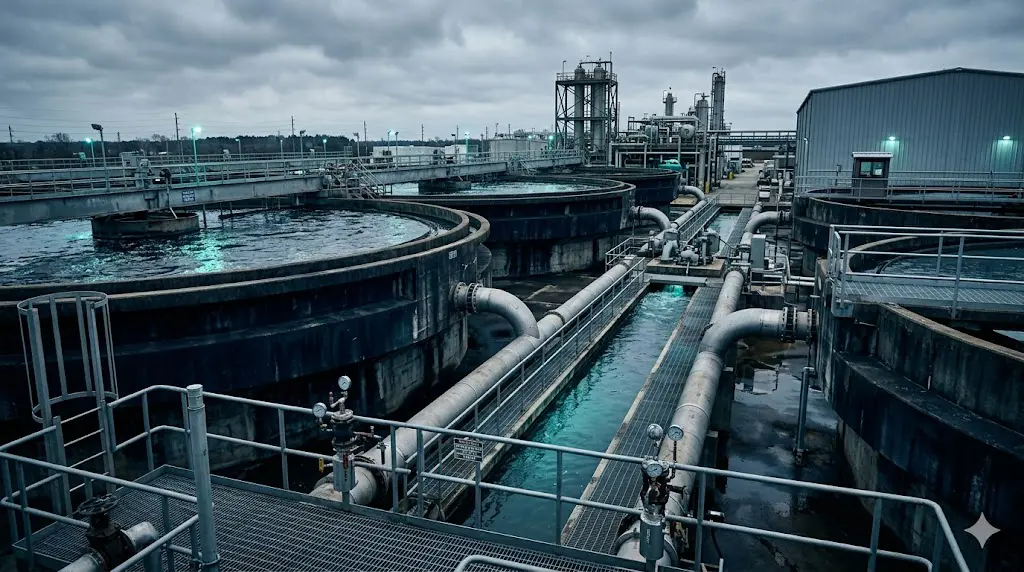
Industrial pretreatment permits set limits on what you can discharge to the municipal sewer: pH, total suspended solids (TSS), metals concentrations, fats, oils and grease (FOG), and more. Those limits were established based on your process at the time of the application.
Since then, things have changed. A new product line added a cleaning step with different pH characteristics. A vendor swap changed the coagulant running through your treatment system. Seasonal temperature swings affected biological treatment performance. A production increase pushed more load through equipment sized for your previous throughput.
None of those changes triggered a permit revision. But cumulatively, they shifted your effluent profile — and your monitoring schedule wasn’t built to catch that kind of gradual drift.
ChemREADY offers free wastewater sample testing — send us a sample and we'll tell you exactly what you're working with against your permit parameters. No obligation.
Request a Free Wastewater Sample Test →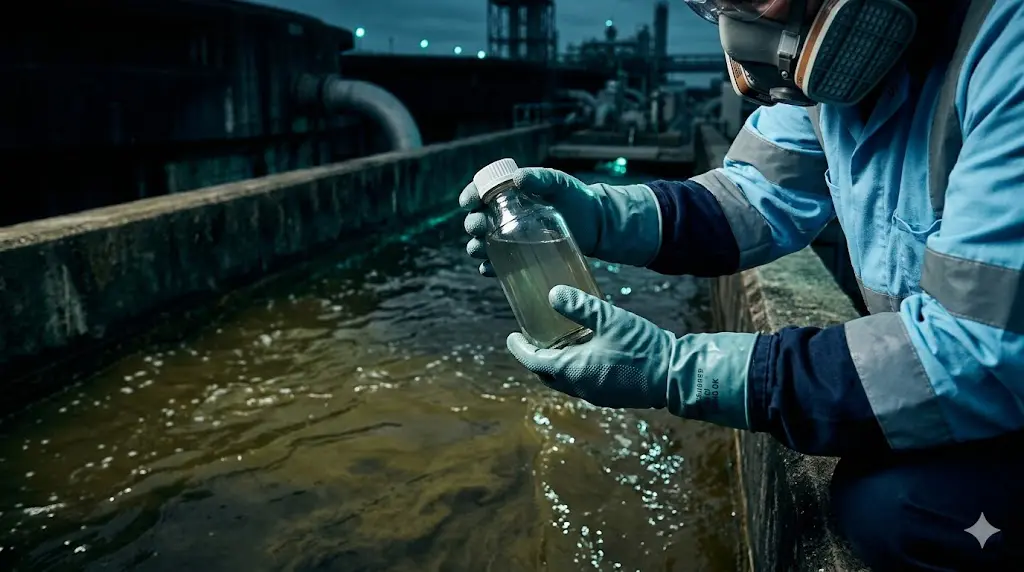
Most facilities sample on the schedule their permit requires: monthly, quarterly, or at specific trigger events. That schedule was designed for steady-state operations. It wasn’t built to track the effect of small, incremental changes compounding over time.
A monthly grab sample tells you what your discharge looked like at one moment. It doesn’t tell you what happened during a high-volume production run, or what your pH did when the acid dosing pump ran dry for a shift.
In facilities we work with, this is one of the most consistent compliance blind spots: not deliberate non-compliance, but a genuine mismatch between how often things get measured and how often conditions actually change. By the time a quarterly sample catches the problem, the cause may be multiple process changes back.
Send ChemREADY a sample and we'll test it against your permit parameters — so you know where you actually stand before the next inspection.
Get a Compliance Baseline Test →Most municipal pretreatment programs require self-reporting. If your monitoring catches a violation, you report it and work through the process. If a compliance inspection catches it first, the conversation is different — and the penalties typically are too.
Beyond fines, a documented violation can trigger increased monitoring requirements, a permit modification process, or a broader review of your entire pretreatment program. That scrutiny tends to follow you through future permit renewals and can seriously complicate any production expansion that requires a permit modification down the road.
Common process changes and their discharge impact:
| Process Change | Affected Parameter | Compliance Risk |
|---|---|---|
| New product line / cleaning chemistry | pH, FOG, TSS | High — chemistry change rarely triggers permit review |
| Vendor swap (coagulant, cleaning agent) | Metals, TSS, pH | Medium-High — formulation differences affect effluent |
| Production volume increase | All parameters — load increase | High — treatment system sized for prior throughput |
| Seasonal temperature shifts | Biological treatment performance, BOD | Medium — bio systems sensitive to temperature variance |
| Equipment failure / dosing pump issue | pH, disinfectant residual | High — single-shift event can produce grab sample violation |
It starts with knowing your effluent as a living baseline, updated when your process changes. When something in your operation shifts, someone should be asking whether it affects what’s leaving the facility.
Regular wastewater testing builds that baseline and gives you meaningful lead time to act. Catching a chemistry issue through your own testing means you can make adjustments before a compliance event, rather than explaining one to a regulator afterward. That’s the operational difference between managing your discharge program and simply reacting to it.
“If your current approach is to wait for scheduled sampling and hope the results come back clean, that’s not a program. It’s a bet.”
ChemREADY works with industrial facilities to build proactive wastewater monitoring programs that catch compliance drift before it becomes a violation. Start with a free sample test.
Request a Free Wastewater Sample Test →Book a 30-minute conversation directly. We'll discuss your wastewater treatment situation and whether working together makes sense.
Book a 30-minute call →Take a look at our wastewater treatment services first. See where you stand across discharge compliance, effluent quality, and chemical treatment programs — then decide if a conversation makes sense.
Find out what a buyer would see →Browse everything we do in wastewater treatment — chemicals, equipment, and services — at your own pace, no conversation required.
Explore our wastewater solutions →We work with advisors who encounter infrastructure gaps in industrial wastewater client businesses. If you're looking for a referral partner for pre-sale readiness work, let's talk.
Learn about our partner program →