Reading Time | 10 Minutes
If your facility’s discharge permit was last renewed five or more years ago, there’s a reasonable chance your phosphorus limit was set under a different regulatory environment than the one you’re heading into.
Phosphorus limits in NPDES permits are tightening. Facilities treating their current limit as a permanent floor are building compliance exposure they won’t see clearly until permit renewal puts a new number on the table.
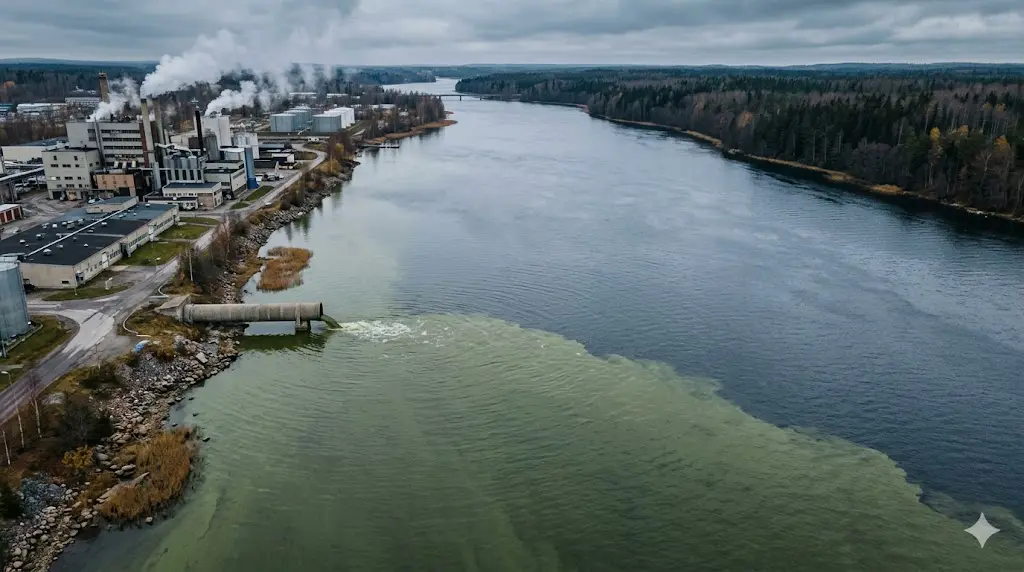
Phosphorus is a nutrient. At elevated concentrations in receiving waters, it drives algal blooms that deplete dissolved oxygen and damage aquatic ecosystems. Most states have been progressively lowering total phosphorus (TP) effluent limits in response to watershed impairment data, EPA guidance, and court-ordered compliance schedules tied to downstream water quality standards.
The trend in 2026 is continued tightening. Permits issued at 1.0 mg/L TP are being renewed at 0.5 mg/L or lower in a growing number of jurisdictions. That may not sound significant until you calculate how far off your current discharge would be under a limit set half as high.
If it's been more than three years, the phosphorus limit you're managing to today may not be the limit you're renewed at. ChemREADY can tell you where your discharge stands right now — before the agency does.
Talk to a Wastewater Compliance Specialist →
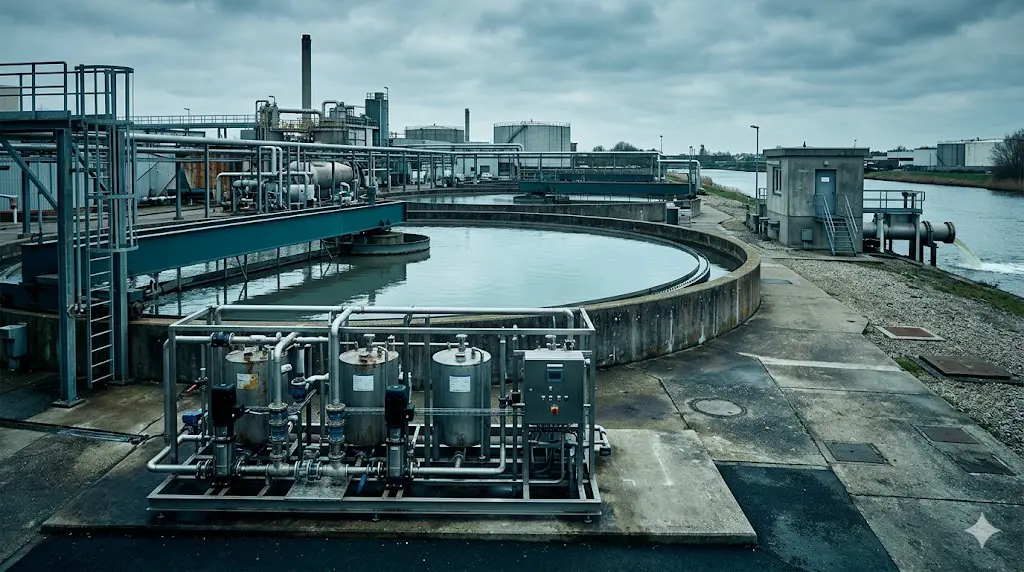
Direct NPDES dischargers face limit changes at renewal. But the pressure reaches indirect dischargers too — facilities sending flow to a POTW (publicly owned treatment works, i.e., the municipal wastewater plant). When the POTW’s permit tightens, it has to tighten what it accepts from industrial users. Local pretreatment limits come down. Surcharges go up. Compliance reviews get more rigorous.
Food and beverage manufacturers, chemical processors, and facilities running cooling systems with phosphonate-based corrosion inhibitors are among the most common sources of elevated phosphorus in industrial discharge.
When the POTW's NPDES permit tightens, your local pretreatment limits tighten with it — even if your own permit hasn't changed. ChemREADY can review your phosphorus load and tell you what you're actually discharging.
Request a Free Wastewater Sample Test →Most industrial phosphorus removal programs were built around a static dose of precipitant — ferric chloride, alum, or ferrous sulfate — calculated against average daily flow and concentration. That approach worked at more permissive limits. As limits tighten, the variance between average-day performance and worst-day performance is exactly where violations appear.
A facility hitting 0.9 mg/L on average but spiking to 2.0 mg/L during production peaks isn’t compliant — it’s just lucky on the days it gets sampled.
What we find when we start working with a facility managing its phosphorus removal without outside support: the program was designed for average conditions, not the production scenarios that create the highest phosphorus loads. The average looks fine until a regulator pulls grab samples during a peak.
Permit renewal is when regulatory posture becomes a hard number in your permit conditions. Coming in with documented removal performance data, corrective action records, and evidence of an actively managed program gives you standing to negotiate conditions. Coming in without that record means accepting what the agency proposes.
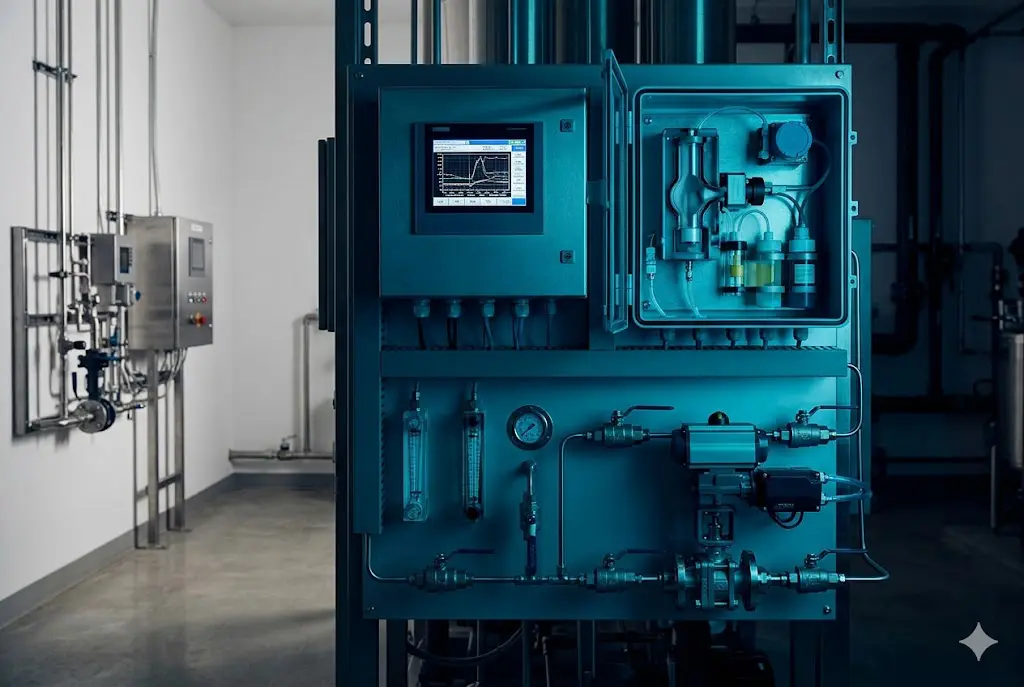
A managed program — with chemical dosing tied to actual load data rather than assumed averages, and digital remote monitoring to catch phosphorus spikes before they become violations — is what builds the compliance documentation record that matters during a permit review. It’s also what holds up if your permit is challenged or conditions change mid-cycle.
If you don’t know what your current discharge is showing on phosphorus, or whether your removal program is capable of meeting a limit 50% lower than today’s, that’s worth finding out now — not at renewal.
ChemREADY offers free wastewater sample testing — send us a sample and we'll tell you exactly what you're working with. Find out now, not at renewal.
Request My Free Wastewater Sample Test →Or call us: 800-229-6801
Book a 30-minute conversation directly. We'll discuss your wastewater treatment situation and whether working together makes sense.
Book a 30-minute call →Take a look at our wastewater treatment services first. See where you stand across discharge compliance, effluent quality, and chemical treatment programs — then decide if a conversation makes sense.
Find out what a buyer would see →Browse everything we do in wastewater treatment — chemicals, equipment, and services — at your own pace, no conversation required.
Explore our wastewater solutions →We work with advisors who encounter infrastructure gaps in industrial wastewater client businesses. If you're looking for a referral partner for pre-sale readiness work, let's talk.
Learn about our partner program →