Industrial Wastewater Pretreatment: Why Your Discharge Keeps Failing Even When the Chemistry Looks Right

Reading Time | 10 Minutes

Your composite sample looked fine. pH was in range, TSS came back clean. Then the violation notice arrived anyway.

If that’s happened at your facility, you’re not alone. The problem usually isn’t the chemistry. It’s the timing.

Not Sure What Your Discharge Looks Like Across a Full Shift?

ChemREADY's free wastewater sample test is the fastest way to find out what you're actually discharging — before a regulator shows up with their own sample bottle.

Request My Free Wastewater Sample Test →

What Is Industrial Wastewater Pretreatment?

Industrial wastewater pretreatment is the process of treating effluent at an industrial facility before it discharges to a POTW (publicly owned treatment works — the municipal sewer system) or to surface waters under a direct discharge permit. Federal pretreatment standards and local discharge permit limits govern parameters including pH, total suspended solids (TSS), biochemical oxygen demand (BOD), metals, and other pollutants specific to the facility’s operations.

Violations carry real consequences. Depending on the severity and frequency, penalties include formal warning notices, compliance orders, monetary fines starting at $1,000 per day per violation under the Clean Water Act, permit suspension, and in repeat or egregious cases, permit revocation and plant shutdown. Regulators also have the authority to pull grab samples at any time — samples taken at a single point in time rather than the composite average your permit monitoring relies on.

Why Does Composite Sampling Miss Wastewater Violations?

Most industrial pretreatment monitoring programs are built around daily composite samples — water collected at timed intervals throughout a shift and combined into a single test result. That approach works when your wastewater stream is consistent. Most production environments aren’t.

Batch cleaning cycles, CIP (clean-in-place) operations, coating line rinses, pH-adjustment processes, and end-of-shift equipment washdowns generate high-strength, high-variability wastewater during specific windows of the production day. A composite sample that spans an eight-hour shift averages those spikes down. The specific discharge event that caused your violation might have lasted 45 minutes.

Regulatory grab sampling is not averaged. When an inspector collects a grab sample from your outfall during a high-strength discharge window, they’re measuring exactly what you’re sending at that moment — not the four-hour average your permit was designed around.

What Causes Industrial Wastewater Pretreatment Violations?

The gap between daily composites and actual discharge variability is the core problem, but it’s usually compounded by a second issue: static dosing programs.

Adding a fixed volume of coagulant, flocculant, or pH adjuster based on average daily flow assumes a predictable influent. When influent chemistry shifts significantly within a single shift — which it does in most batch and semi-batch manufacturing operations — that approach either overshoots during low-load periods or falls short during the spikes that create compliance risk.

What we typically find when we start working with a facility managing its pretreatment program without outside support: the program was designed for average conditions, not the worst-case loads that drive violations. The average looks fine on paper. On the day a regulator pulls a grab sample, the average doesn’t protect you.

Ready to See What Your Discharge Actually Looks Like?

Send us a sample and ChemREADY will tell you exactly what you're working with — parameters, variability, and where your current program has gaps. No obligation.

Get My Free Sample Analysis →

Composite Sampling vs. Continuous Monitoring: What Changes

FactorComposite Sampling OnlyContinuous Monitoring + Managed Program
Detection of discharge spikesNo — spikes averaged outYes — real-time alerts
Dosing adjustmentBased on averagesBased on actual influent in real time
Regulatory grab sample riskHigh during spike windowsLow — exceedances caught before discharge
Documentation recordDaily composite results onlyContinuous data log with treatment response
Compliance review outcomeDifficult to explain violationsData shows active management
Program design basisAverage conditionsActual worst-case loads

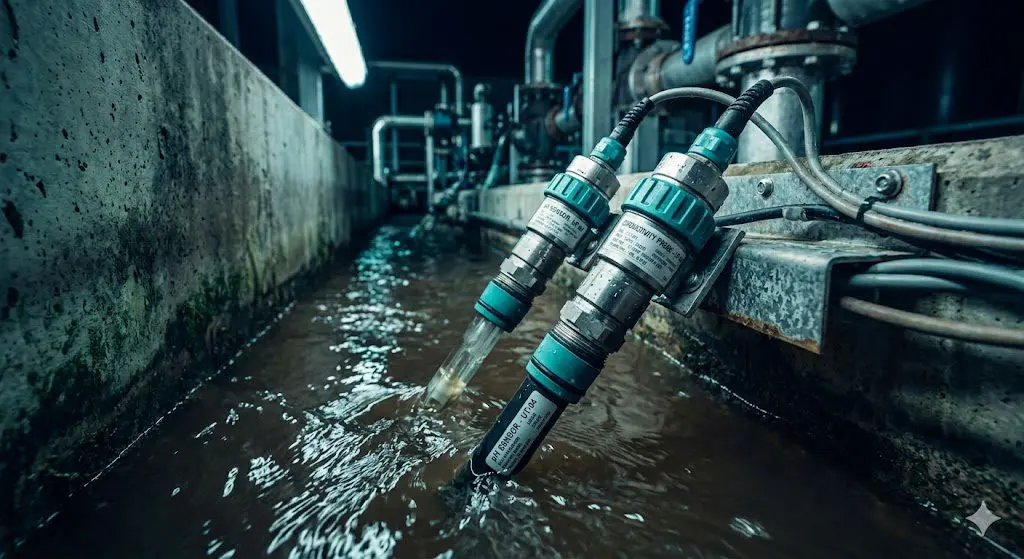
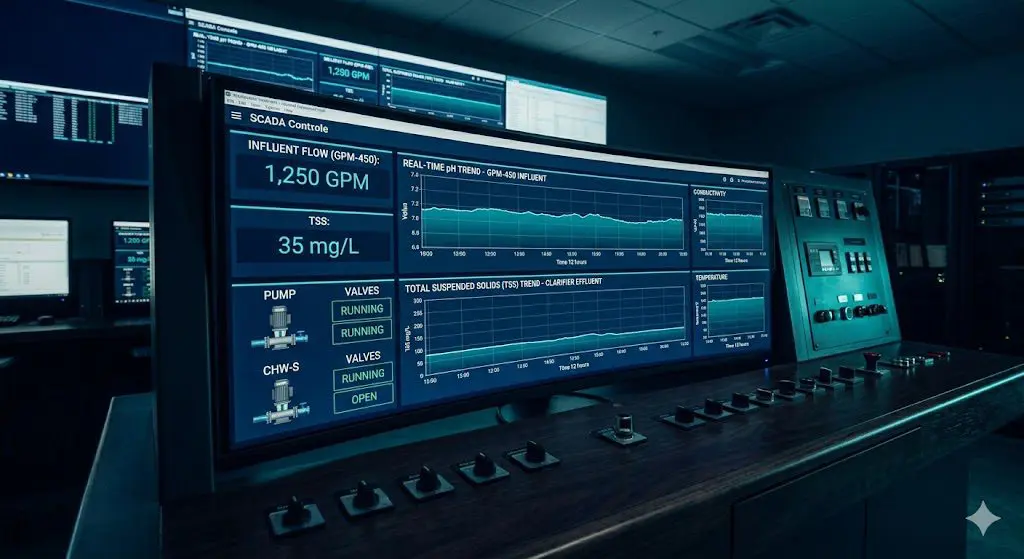
Real-time monitoring of pH, conductivity, and turbidity at both the influent and effluent of your pretreatment system gives you the data to match chemical dosing to what’s actually happening — not what your average profile assumes. Digital remote monitoring paired with automated feed adjustments eliminates most of the variance that creates violation events.

The documentation record it creates also matters during a compliance review. A facility with continuous monitoring data showing a treatment response to a pH excursion looks very different from one that can only produce a daily composite. That difference affects how enforcement conversations go.

How Do You Fix Recurring Pretreatment Violations?

  1. Characterize your actual wastewater stream — not just the daily average. Sample at multiple points throughout the production day, including during batch cleaning cycles, equipment washdowns, and production changeovers.
  2. Map the variability to specific production events. Understand which operations generate the highest-strength discharges, at what time of day, and at what volume.
  3. Rebuild your dosing program around actual load variability — not assumed averages. This means setting dosing rates that respond to real-time influent data rather than flow-proportional averages.
  4. Implement monitoring at both the influent and effluent of your pretreatment system. Knowing what comes in tells you what to expect. Knowing what leaves tells you whether your treatment program is working.
  5. Build and maintain a documentation record. Continuous monitoring data, dosing logs, and corrective action records are the difference between a compliance discussion and a compliance enforcement action.

Where to Start

If your violation history shows periodic exceedances that don’t track with your composite sampling results, the root cause is almost always discharge variability that your current monitoring approach is averaging away.

Understanding what your wastewater stream actually looks like across a full production cycle is the starting point for building a pretreatment program that holds up — not just on average sampling days, but when a regulator shows up with a sample bottle.

Not Sure If Your Discharge Is Where It Needs to Be?

ChemREADY offers free wastewater sample testing — send us a sample and we'll tell you exactly what you're working with. No obligation. Just answers before a regulator provides them for you.

Request My Free Wastewater Sample Test →

Prefer to schedule a call?

Book a 30-minute conversation directly. We'll discuss your water treatment situation and whether working together makes sense.

Book a 30-minute call →

What to expect from a first conversation

  • We listen first — your situation, your timeline, your goals
  • We're honest about whether we're the right fit
  • If we're not, we'll point you to someone who is
  • No high-pressure close. Ever.
  • 30 minutes. You'll know if it makes sense to continue.

Not ready to talk yet?

Take a look at our water treatment services first. See where you stand across chemical programs, system performance, and municipal compliance — then decide if a conversation makes sense.

Find out what a buyer would see →

Want to explore on your own terms?

Browse everything we do in water treatment — chemicals, equipment, and services — at your own pace, no conversation required.

Explore our water treatment solutions →

Are you an M&A advisor or PE firm?

We work with advisors who encounter infrastructure gaps in municipal water and drinking water client businesses. If you're looking for a referral partner for pre-sale readiness work, let's talk.

Learn about our partner program →