Filter Press Plate Maintenance: Inspection Schedule, Failure Signs, and When to Replace

Reading Time | 7 Minutes

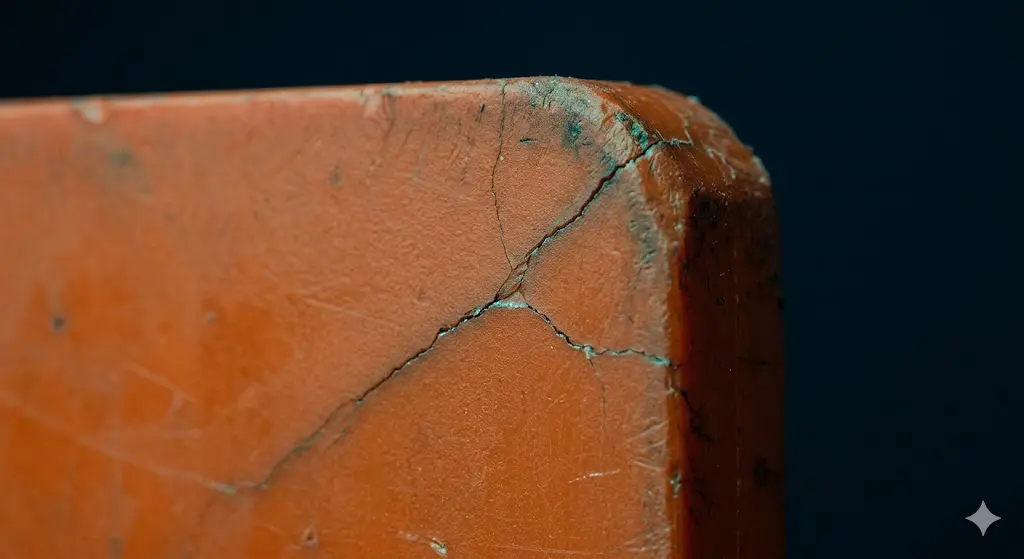
Filter press troubleshooting starts at the cloth and works through the polymer program. The plates themselves — the structural components that form the filtration chambers, hold the pressure, and determine whether the press cycle is safe to run — are almost never on the diagnostic list. They should be higher on it than any other variable. A cracked filter press plate is not a performance problem. It is a pressure vessel failure risk. Facilities that discover cracking during a root-cause investigation after a press event have been running at risk for an unknown period. Facilities that find it during a scheduled plate inspection haven’t.

What Is Filter Press Plate Maintenance?

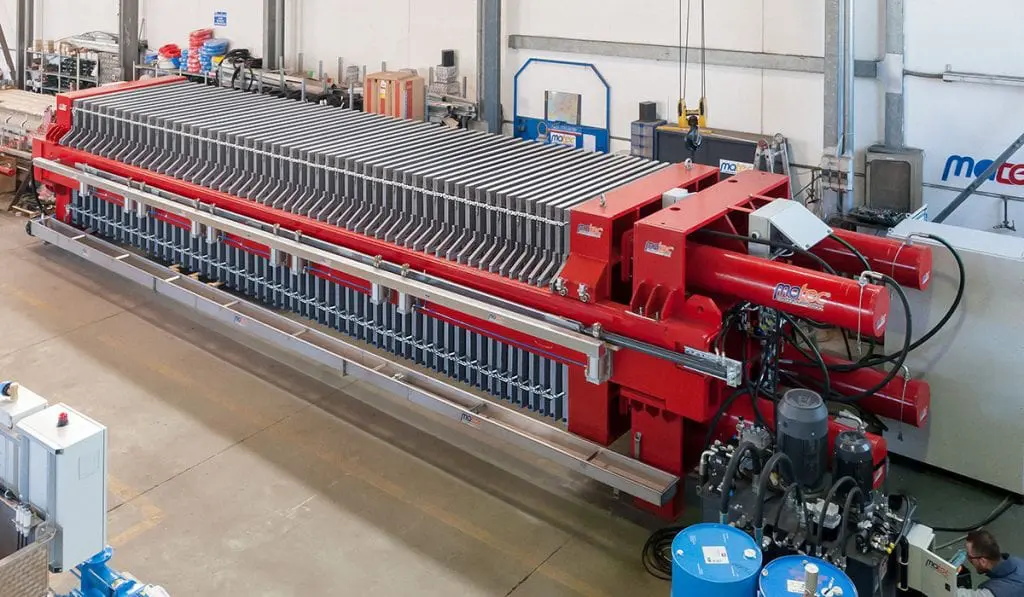
Filter press plate maintenance is the scheduled inspection, cleaning, and replacement management of the polypropylene or cast-iron plate elements in a filter press stack — the components that form the filtration chambers, seal under operating pressure, and distribute feed slurry and filtrate across the cloth surface. It is a distinct maintenance category from filter cloth management, which addresses the cloth media, and from the chemical program, which addresses the polymer and coagulant treatment. Plate condition directly affects press safety, cake quality, cycle time, and cloth life.

For the full picture of how the plates, cloth, and chambers work together to form and release cake, see our overview of how a filter press works.

Not Sure When Your Plates Were Last Inspected?

A dewatering program review includes plate condition assessment — not just chemistry and cloth. Schedule a free water analysis.

Schedule a Free Water Analysis →

What Causes Filter Press Plates to Fail?

Filter press plates fail through three distinct mechanisms. Each has different causes, different visual indicators, and different performance consequences:
Failure Mode Primary Cause Performance Symptoms Safety Risk Visual Indicator
Cracking Thermal cycling, UV exposure, solvent/oxidizer contact, age-related brittleness Filtrate bypass, turbid discharge, inconsistent cake HIGH — sudden pressure release possible Visible fissures at feed eyes, drainage studs, sealing edges; hairline cracks under flashlight
Warping Uneven thermal cycling, partial plate stack loading, over-pressure events Sealing surface bypass, turbid filtrate, elevated cake moisture, extended cycle time LOW-MEDIUM — no sudden failure, but reduced integrity Visible gap between adjacent plate faces; uneven wear on sealing surface
Chemical degradation Extended contact with strong solvents, oxidizing acids, or alkaline concentrations above plate material rating Soft plate surface, reduced pressure rating, accelerated cracking MEDIUM — softened material may fail below rated pressure Discoloration, surface softening by touch, swelling near feed connections

How Often Should Filter Press Plates Be Inspected?

Plate inspection frequency should be set based on three variables: operating cycle count per year, feed chemistry aggressiveness, and the age of the current plate set. Filter press manufacturers publish recommended inspection intervals. As a general operational guide:

  • Annual full-stack inspection: Standard baseline for most industrial dewatering applications. Pull every plate, inspect all four failure surfaces (feed eyes, drainage studs, sealing edge, plate body), and document condition.
  • Semi-annual inspection: Recommended for facilities running more than one full cycle per operating shift, or facilities processing feeds with pH below 4 or above 11, solvent constituents, or strong oxidizing agents.
  • Quarterly visual inspection: Recommended for high-cycle mining, aggregates, or concrete washout operations with abrasive feeds and continuous-operation schedules. Focus on feed eyes and corner pieces where cracking initiates.
  • Post-event inspection: Any press that has experienced an abnormal cycle — sudden loss of press pressure, unusual filtrate volume, feed bypass visible at plate edges — should have the full plate stack inspected before resuming production.

Is Plate Inspection Part of Your Maintenance Program?

If your press has turbid filtrate, wet cake, or extended cycles, plate condition belongs in the diagnostic. See how a managed dewatering maintenance program keeps plate inspection on a documented schedule.

Explore Dewatering Maintenance →
filter press

How Do I Know When to Replace Filter Press Plates?

The replace-vs.-repair decision is straightforward for cracking: cracked plates should be replaced, not repaired. A temporary repair to a cracked polypropylene plate does not restore its pressure rating. Any plate with a visible crack is a safety hazard and should be removed from service.

For warping and chemical degradation, the decision depends on severity:

  1. Minor warping with sealing surface still in contact: Clean sealing surfaces and re-inspect after next 10 cycles. If the bypass gap grows, replace.
  2. Moderate-to-severe warping where plates cannot be held flush: Replace. Warped plates accelerate cloth wear and allow bypass that compounds with each cycle.
  3. Early-stage chemical degradation with surface softening: Test-cycle the press and monitor filtrate quality and cycle time closely. If performance declines, replace the affected plates.
  4. Advanced chemical degradation with visible swelling or structural softening: Replace immediately. Degraded plate material loses its pressure rating unpredictably.

Individual plate replacement — addressing damaged plates as they’re identified on a scheduled inspection — is consistently less expensive than cascade failure. A single cracked plate that fails mid-cycle can damage adjacent plates and the press frame simultaneously, converting a line-item plate replacement into a capital repair. Dewatering maintenance programs that include plate inspection and documented condition records make the replacement decision from data rather than from a press event.

What we find when we walk a filter press that’s been running with undiagnosed plate problems: the polymer program has been adjusted multiple times trying to fix a performance issue that isn’t a chemistry issue, the filter cloth has been changed multiple times to address symptoms that aren’t cloth symptoms, and the plate inspection log is blank. The press is running. The diagnostic has been chasing the wrong variables — when it might be the two-stage coagulation chemistry, the feed concentration, or, as here, the plates themselves.

Not Sure What's Going On in Your Filter Press Program?

ChemREADY offers a free on-site water analysis — we'll assess your dewatering chemistry and help identify whether your performance issues are in the chemistry, the cloth, or the plates. No obligation.

Schedule Your Free Water Analysis →

800-229-6801

Prefer to schedule a call?

Book a 30-minute conversation directly. We'll discuss your dewatering and solids management situation and whether working together makes sense.

Book a 30-minute call →

What to expect from a first conversation

  • We listen first — your situation, your timeline, your goals
  • We're honest about whether we're the right fit
  • If we're not, we'll point you to someone who is
  • No high-pressure close. Ever.
  • 30 minutes. You'll know if it makes sense to continue.

Not ready to talk yet?

Take a look at our dewatering services first. See where you stand across polymer programs, filter press performance, and solids handling infrastructure — then decide if a conversation makes sense.

Find out what a buyer would see →

Want to explore on your own terms?

Browse everything we do in dewatering — chemicals, equipment, and services — at your own pace, no conversation required.

Explore our dewatering solutions →

Are you an M&A advisor or PE firm?

We work with advisors who encounter infrastructure gaps in solids management and dewatering client businesses. If you're looking for a referral partner for pre-sale readiness work, let's talk.

Learn about our partner program →